Harmony in Nature: The Grand Design's Guide to Balanced Landscapes Apr 18, 2026
The journey to a harmonious landscape begins with understanding the unique characteristics of your space. It's essential to observe factors such as sunlight, soil type, and existing greenery. These natural elements serve as the foundation upon which a beautiful and sustainable garden can flourish. By taking the time to study your landscape, you can create a design that works in concert with the environment rather than against it.
One of the cornerstones of balanced landscapes is the careful selection and placement of plants. Opt for native species that thrive in your region, as they require less maintenance and are more resilient to local pests. When selecting plant varieties, consider their mature size, color, and seasonal changes to ensure year-round visual appeal and a dynamic, evolving landscape. Layering plants of different heights can add depth and dimension, while complementing shapes and textures enhance the overall aesthetic.
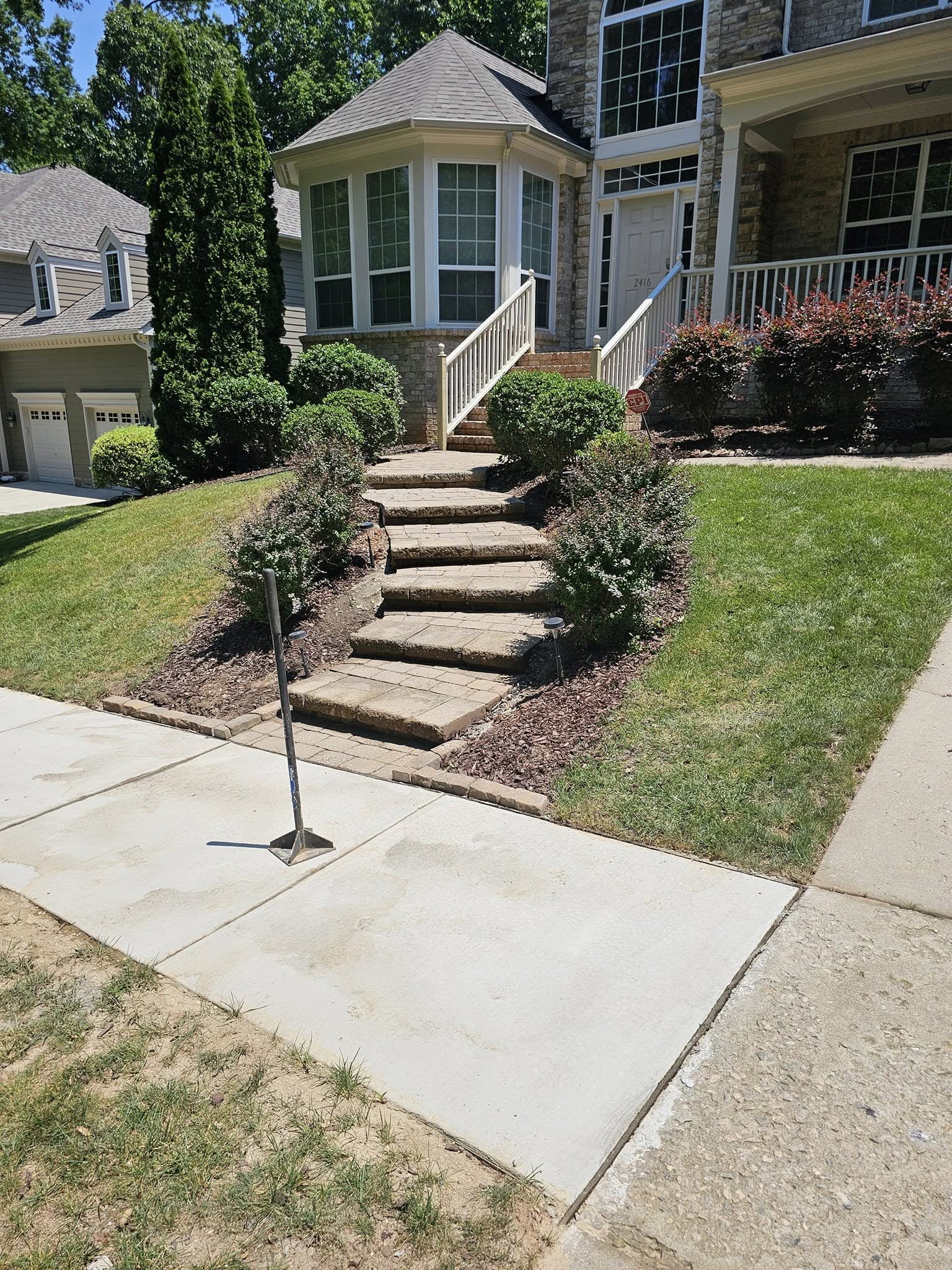
Incorporating hardscapes, like pathways, pergolas, or water features, is another effective way to achieve balance. These elements can provide both function and structure, giving your garden form and focus. Natural materials such as stone or wood blend seamlessly into gardens, maintaining the organic feel of the space. When designing pathways, consider curves and natural lines that mimic the fluidity of nature, guiding guests through a tranquil journey across your landscape.
Water features act as focal points, drawing the eye and introducing soothing sounds that add to your garden's sensory experience. Whether it's a small birdbath or a flowing stream, water elements promote tranquility and serve essential ecological functions, such as attracting wildlife and aiding in irrigation.
To maintain harmony, ongoing landscape care is necessary. Regular pruning, mulching, and fertilization ensure that your plants remain healthy and vibrant. Additionally, mindful water usage not only conserves an essential resource but also supports the balanced ecosystem of your garden. Consider installing a drip irrigation system to provide efficient watering directly to the roots, minimizing waste and promoting healthier growth.
Sustainability should be at the forefront of landscape design, guiding decisions that impact both the environment and future generations. Incorporating sustainable practices, like composting and the use of organic fertilizers, can reduce the carbon footprint of your landscape and contribute to a healthier ecosystem.
At The Grand Design, our mission is to help you cultivate landscapes that resonate with peace and natural symmetry. By following these principles, you can create an outdoor space that not only meets aesthetic desires but also integrates seamlessly with the surrounding environment. Our expert team is here to provide personalized advice and bespoke solutions tailored to your unique outdoor needs.
In conclusion, achieving a balanced landscape requires thoughtful planning and a deep respect for nature's rhythm. Integrating native plants, sustainable practices, and harmonious design elements can transform your garden into a retreat that rejuvenates the spirit and captivates the senses. Trust The Grand Design to guide you on this journey towards creating your perfect outdoor paradise.
/filters:no_upscale()/filters:format(webp)/media/69912502-ddd2-4af9-b293-63647cf11188.jpeg)
/filters:no_upscale()/filters:format(webp)/media/1fc81cbd-4d20-4691-86c6-89b792fac942.jpg)