The Geometry of Nature: Incorporating Structural Elements in Landscaping May 25, 2026
The foundation of a well-balanced landscape design lies in understanding the concept of geometric harmony. The goal is to create a seamless transition between the natural environment and constructed elements. Start by examining the existing layout of your garden or yard. Observe natural lines and curves, and think about how you can enhance or complement these with geometric patterns.
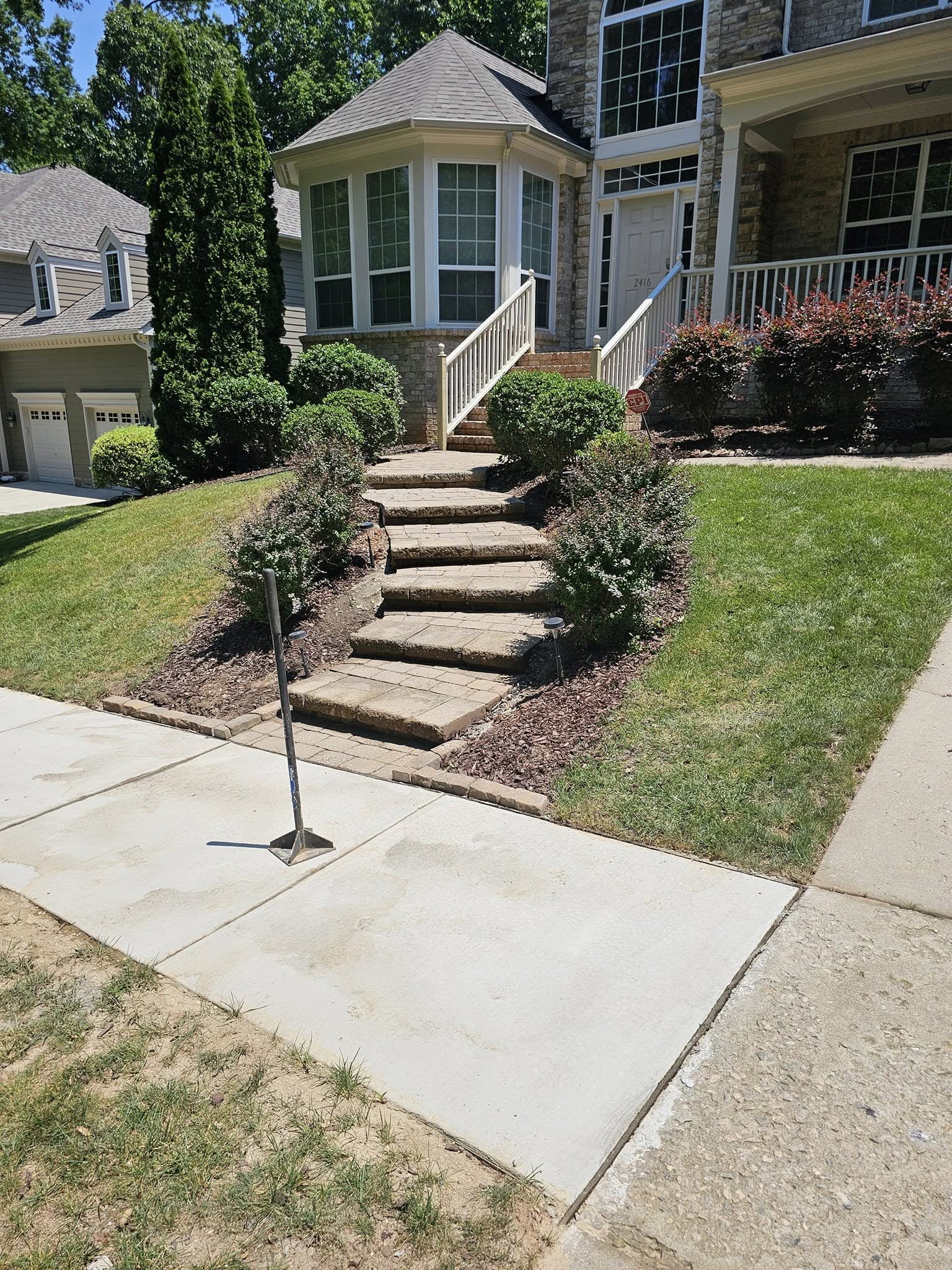
Paths and walkways serve as arteries in your landscape design, guiding viewers through different areas of the garden. Consider using materials like stone, brick, or wood to create defined, aesthetically pleasing pathways. For a touch of sophistication, try experimenting with different shapes such as circles, spirals, or angular lines that mimic the natural flow of the garden.
Another way to incorporate geometry is through the use of garden walls and fences. These structures can be functional, providing privacy or supporting climbing plants, or purely decorative, acting as a canvas for creative expression. Choosing a design that echoes the lines and shapes found in your plant arrangements can create a cohesive look. Materials like wrought iron or bamboo can add a rustic or modern twist depending on your preference.
Additionally, strategically placed stone sculptures or water features can become focal points within your landscape. These elements draw the eye and can be used to anchor surrounding plant life, allowing for more creative freedom with your greenery. Consider a geometric fountain or a bold, abstract sculpture to make a statement piece that complements the overall theme of your garden.
Plants themselves can be arranged to follow geometric principles. By using symmetry and repetition, you can create pattern and rhythm in your garden. Consider planting in straight lines for a formal look, or in a circular pattern for something more relaxed. Planters and raised beds in geometric shapes can add an extra dimension, helping to define areas of your garden while providing structure and height.
Lighting is another crucial element that can highlight the geometric features of your landscape. Well-placed lights along pathways, under trees, or around water features can extend usability into the evening hours. Use light to accentuate the lines and shapes you’ve created, providing depth and a play of shadows that change as the day turns into night.
Outdoor furniture also offers an opportunity to incorporate designed elements. Choose pieces with clean lines and consider the spatial arrangement within your outdoor areas. The right furniture can tie a space together, offering both utility and style.
The integration of structural elements in your landscaping should reflect a dialogue between nature and design. It’s about enhancing the natural beauty that already exists. The Grand Design aims to transform your outdoor space into a masterpiece that embodies the perfect marriage of nature's untamed beauty and man-made symmetry.
In conclusion, tapping into the power of geometry in landscaping doesn’t mean rigid formality. It’s about using structure to highlight natural beauty, enhancing your outdoor space rather than overpowering it. Whether you're starting from scratch or enhancing an existing garden, The Grand Design is here to bring your vision of a sophisticated, harmonious landscape to life.
/filters:no_upscale()/filters:format(webp)/media/69912502-ddd2-4af9-b293-63647cf11188.jpeg)
/filters:no_upscale()/filters:format(webp)/media/1fc81cbd-4d20-4691-86c6-89b792fac942.jpg)